
L W S W Amkreutz
Luc Amkreutz (1978) studied Prehistory at the University of Leiden. In 2004 he graduated cum laude with a study of the earliest farmers in the Netherlands (Linearbandkeramik) and their settlements along the river Meuse. From 2004 to 2008 he was involved in the Malta Harvest project 'From Hardinxveld to Noordhoorn - from Forager to Farmer', that, from a broad and multi-disciplinary perspective, analysed the Neolithisation process in the Lower Rhine Area. From 2008 onwards he has been working at the Rijksmuseum van Oudheden (National Museum of Antiquities) in Leiden as curator of the Prehistory of the Netherlands.
Since 2008 Amkreutz has been the curator of Prehistory at the Dutch National Museum of Antiquities (RMO). Apart from numerous exhibitions, he worked on the 2011 new permanent exhibition ‘Archaeology of the Netherlands’, offering a fresh perspective on 300,000 years of the country’s history.
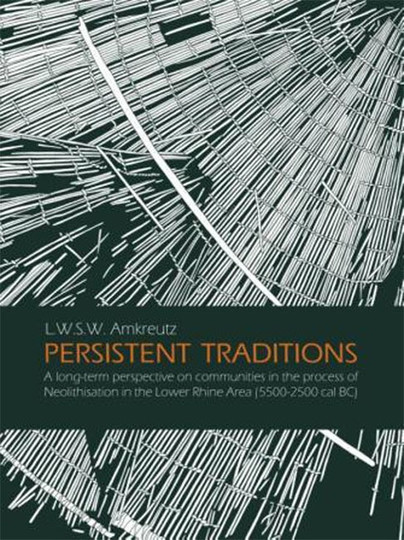
In 2013 he was awarded his doctorate for his thesis ‘Persistent Traditions: A long-term perspective on communities in the process of Neolithisation in the Lower Rhine Area (6000-2500 cal BC)’, within the Malta Harvest project ‘From Hardinxveld to Noordhoorn – from Forager to Farmer’. He focused particularly on the socio-cultural changes in small-scale communities during the transition from hunting and gathering to agriculture.
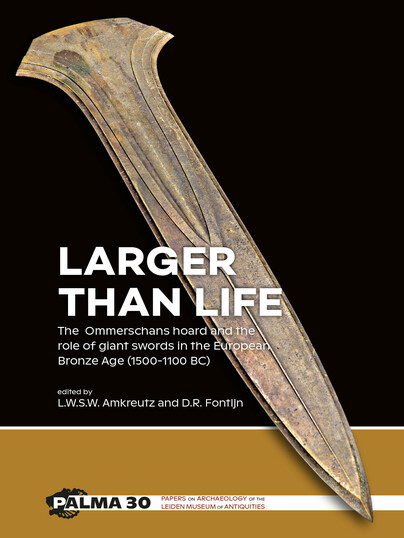
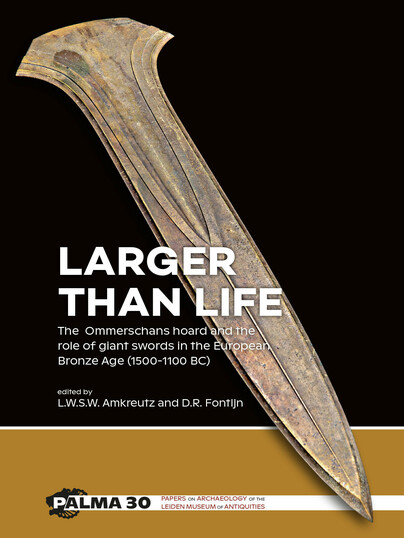
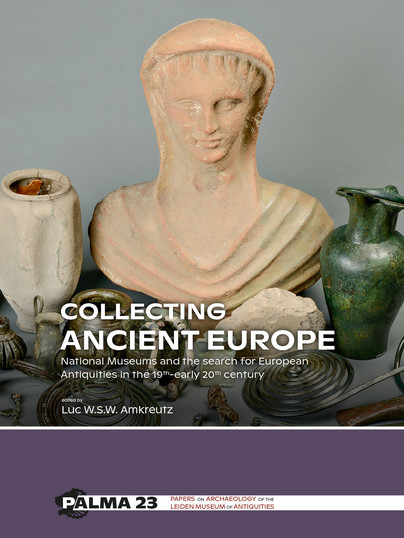
He also co-created the exhibition ‘Cutting Edge Past’ in 2016 which ultimately led to the acquisition of the Ommerschans dirk in 2017\. Amkreutz has conducted wide-ranging research including field projects into Early Neolithic farmers and the investigations of burial mounds. In 2016 he was awarded an NWO Museum grant to investigate the ‘Ancient Europe’ collection of the museum.
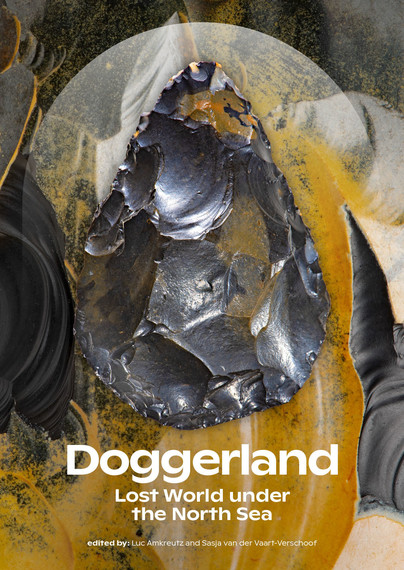
Currently, he is involved in researching the Palaeolithic and Mesolithic Prehistory of Doggerland. In 2021 he worked on the ‘Doggerland. Lost World under the North Sea’ exhibition in the RMO and co-edited the accompanying book, which was shortlisted for the EAA Book Prize 2023\. He is also part of the NWO funded ‘Resurfacing Doggerland’ project. In 2022 he co-edited a volume on the oldest Linearbandkeramik settlement of the Netherlands at Elsloo and works on several projects involving the Neolithic in the Lower Rhine area and Northwest Europe in general.
Amkreutz was appointed professor of Public Archaeology at the Faculty of Archaeology, Leiden University in 2022.

© Script Publisher Services Ltd. 2026. Registered in England No.15969984.
Registered Office: 47 Church Street, Barnsley, S70 2AS.
Registered Office: 47 Church Street, Barnsley, S70 2AS.